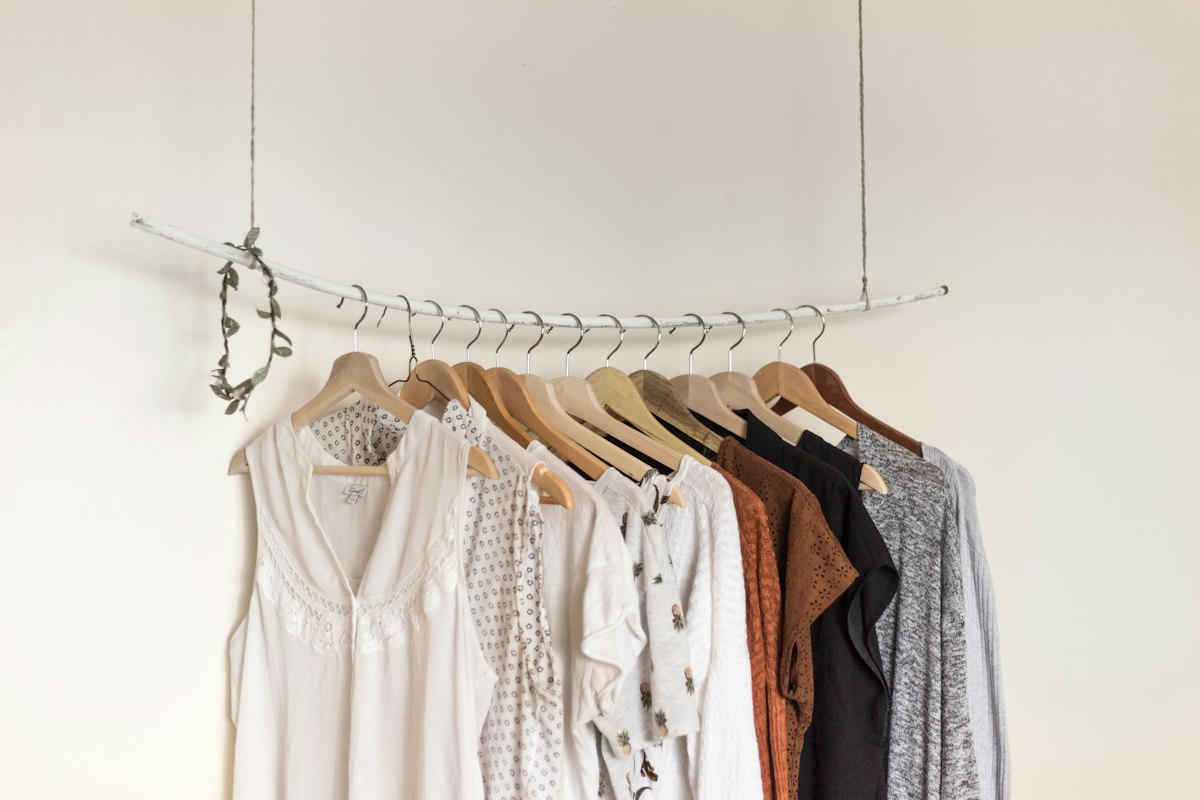
The fashion industry is undergoing a profound transformation, and sustainable fashion has moved from niche trend to mainstream necessity. As we navigate through 2025, conscious consumers are increasingly seeking ways to build wardrobes that reflect their values without compromising on style or quality.
The journey to sustainable fashion isn't about perfection—it's about making more informed choices that benefit both people and planet. This comprehensive guide will walk you through the essential principles, practical strategies, and standout brands that are redefining what it means to dress responsibly.
Understanding Sustainable Fashion
Sustainable fashion encompasses several key principles: ethical labor practices, environmental responsibility, quality over quantity, and circularity. Unlike fast fashion, which prioritizes rapid production and disposability, sustainable fashion emphasizes durability, timeless design, and minimal environmental impact throughout the entire lifecycle of a garment.
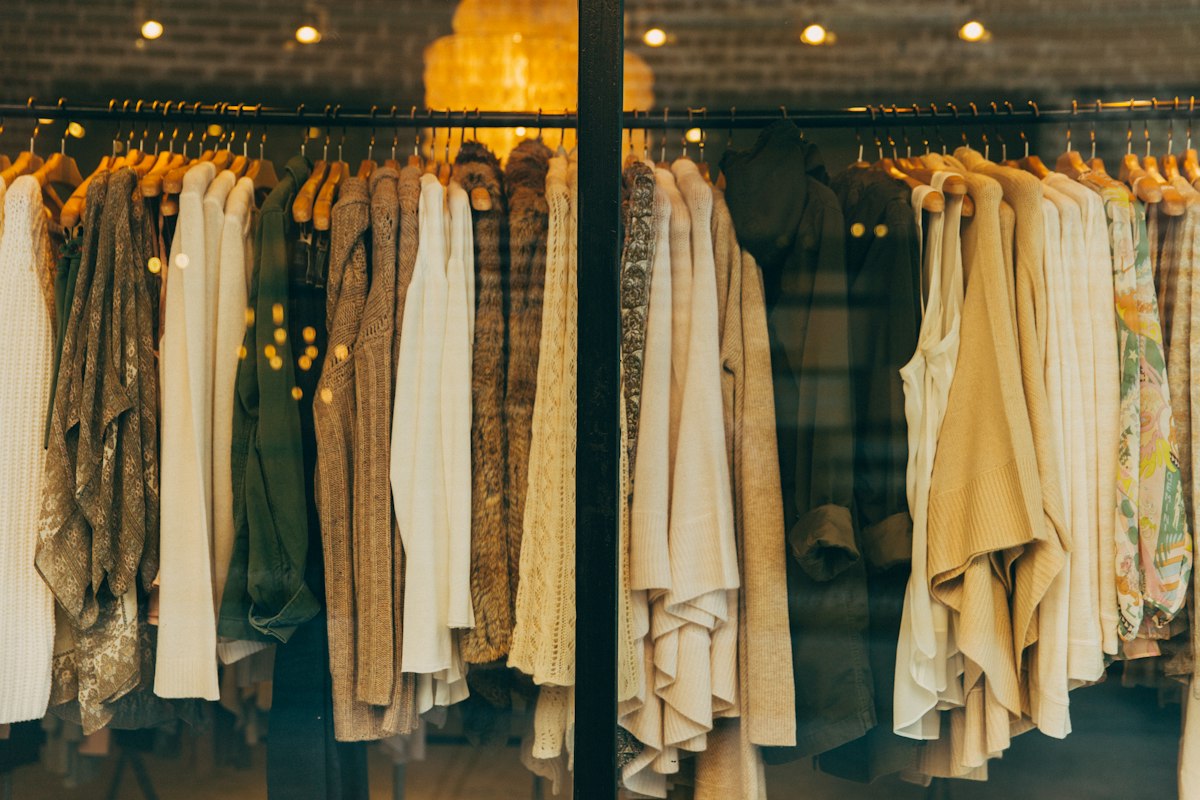
Building a Sustainable Wardrobe
The foundation of sustainable fashion starts with understanding your personal style and needs. Before making any purchase, consider the "30 wears test"—will you wear this item at least 30 times? This simple question can prevent impulse purchases and help build a more intentional wardrobe.
Focus on versatile, high-quality basics that can be mixed and matched: a well-fitted pair of organic cotton jeans, a classic white shirt made from sustainable materials, a timeless blazer from ethical brands, and comfortable, durable footwear. These pieces form the backbone of a sustainable wardrobe.
Materials Matter
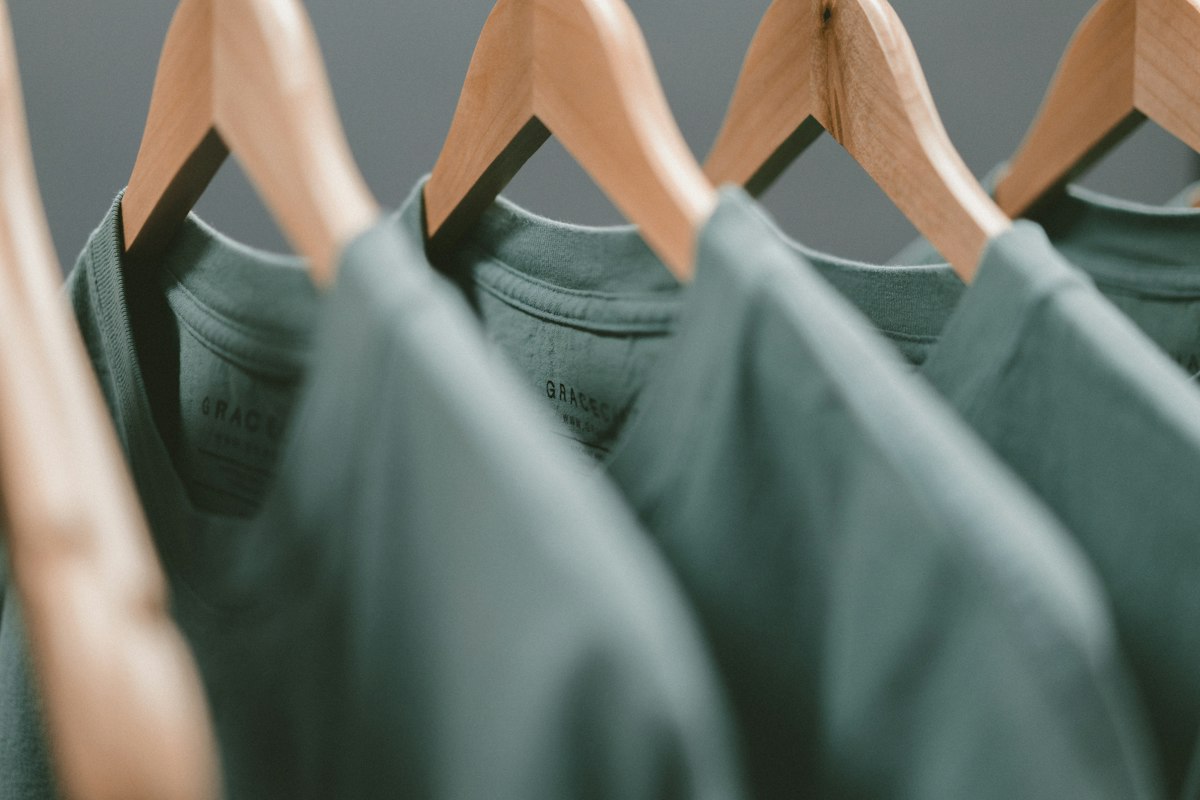
Understanding fabric composition is crucial for sustainable fashion choices. Natural fibers like organic cotton, linen, hemp, and Tencel are biodegradable and often produced with lower environmental impact. However, not all natural materials are created equal—conventional cotton, for instance, requires significant water and pesticides.
Innovative materials are also emerging: regenerated fibers from post-consumer waste, mushroom leather, and recycled polyester that gives plastic bottles new life. The key is to research brands' transparency about their material sourcing and production processes.
The Care and Repair Revolution
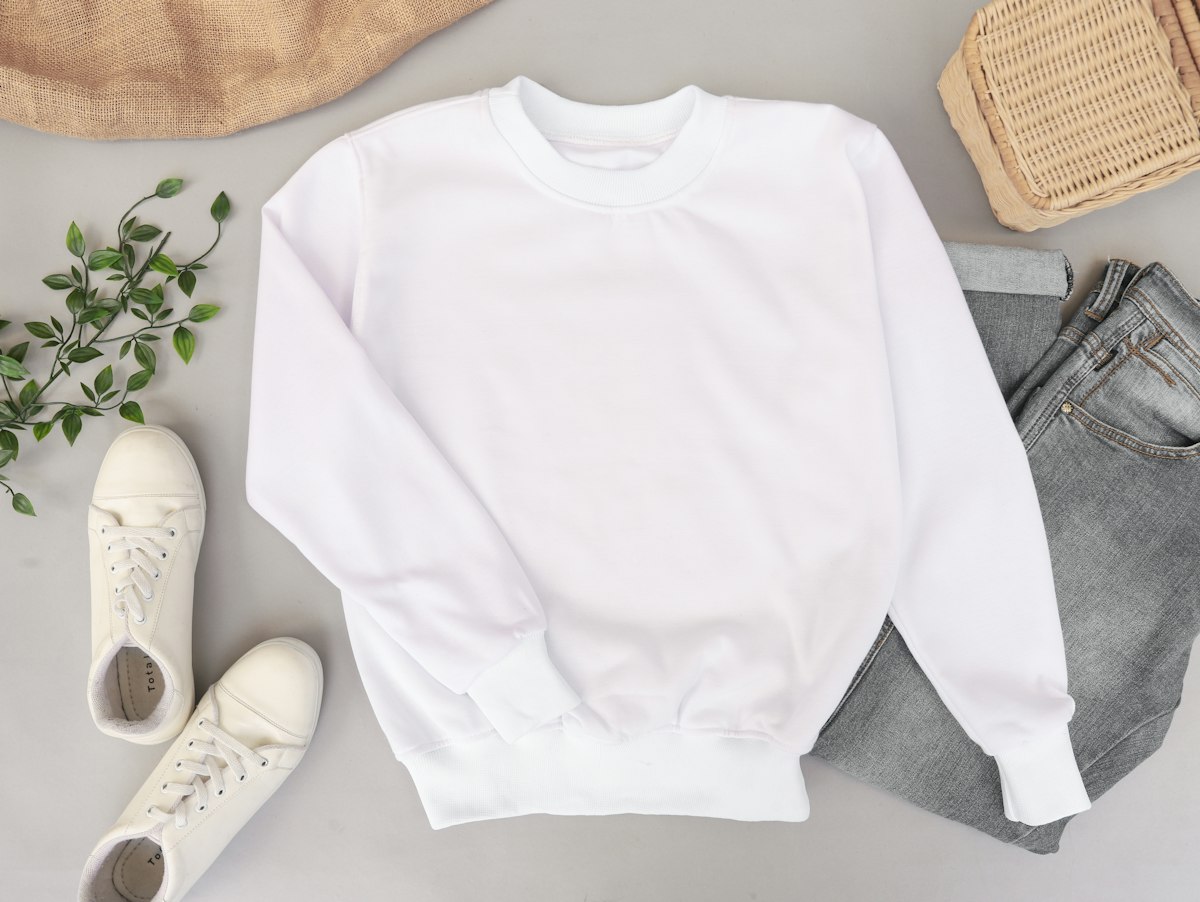
Extending the life of your garments is perhaps the most sustainable action you can take. Proper care—washing less frequently, using cold water, air drying, and storing correctly—can significantly extend a garment's lifespan. Learn basic mending skills like sewing buttons, fixing hems, and darning holes.
Many sustainable brands now offer repair services, and specialized repair cafes and workshops are emerging in cities worldwide. Embracing visible mending and upcycling can transform repairs into creative expression, adding character to your clothing.
Recommended Sustainable Fashion Essentials
Based on extensive research and testing, here are our top picks for building a sustainable wardrobe:
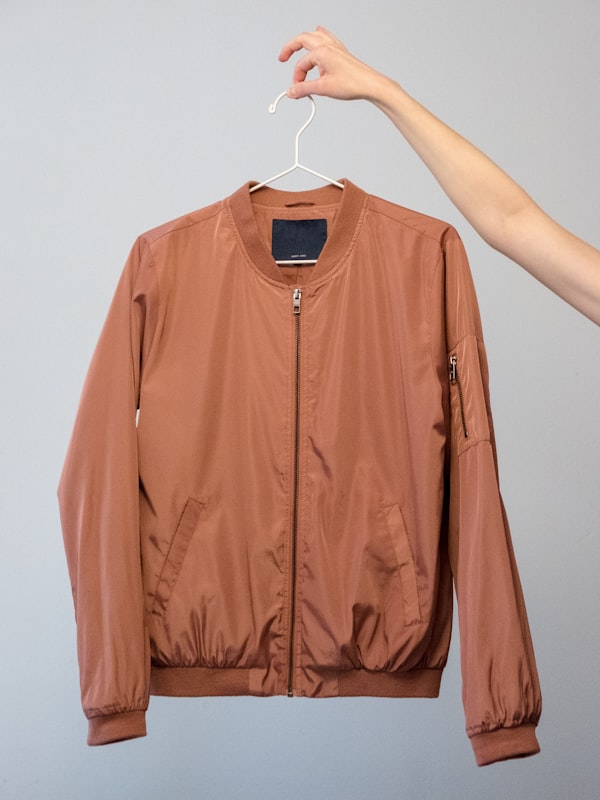
Organic Cotton Essentials
GOTS-certified organic cotton basics from Pact, offering supreme comfort and sustainability in everyday staples.
Learn More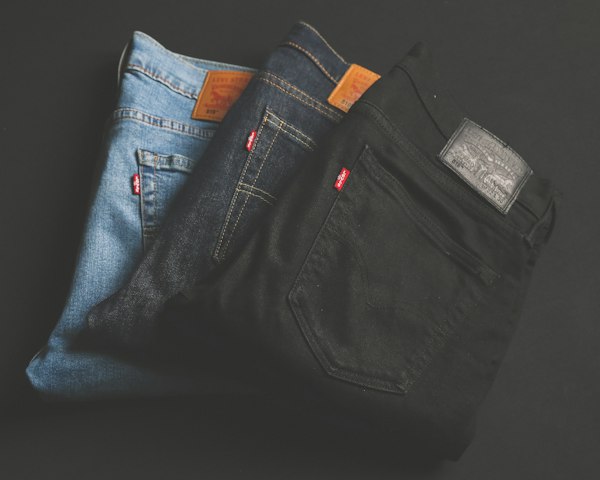
Eco-Friendly Denim
Nudie Jeans uses organic cotton and offers free lifetime repairs, embodying circular fashion principles.
Learn More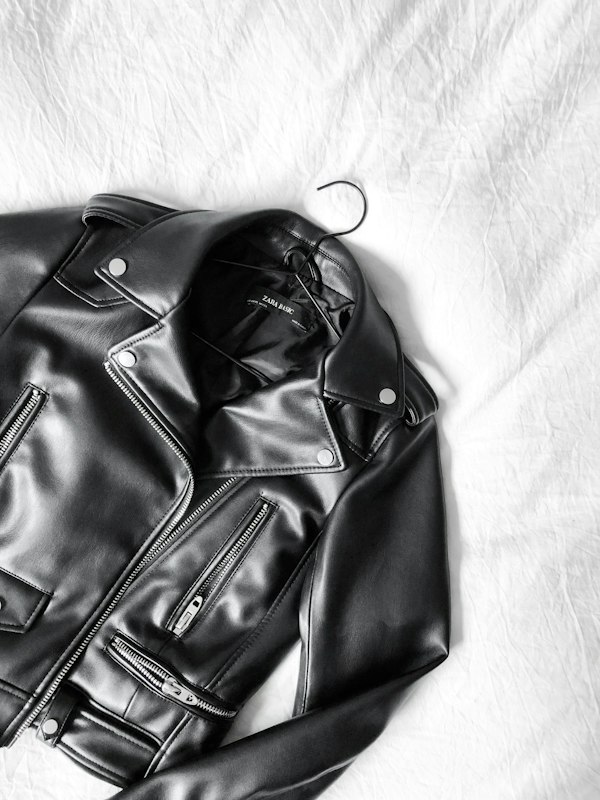
Recycled Outerwear
Patagonia's recycled polyester jackets combine performance with environmental responsibility and durability.
Learn MoreMaking the Transition
Transitioning to sustainable fashion doesn't mean discarding your entire existing wardrobe. Start by loving and wearing what you already own. When you do need new items, research brands, prioritize quality, consider secondhand options, and invest in pieces that align with your values.
Remember, sustainable fashion is a journey, not a destination. Every conscious choice contributes to a more ethical and environmentally responsible industry. By supporting brands that prioritize people and planet, you're voting for the kind of future you want to see.
As we move forward in 2025 and beyond, sustainable fashion will continue to evolve. Stay curious, ask questions, and remember that your purchasing power is a tool for positive change. Together, we can weave a more harmonious relationship between fashion and our world.