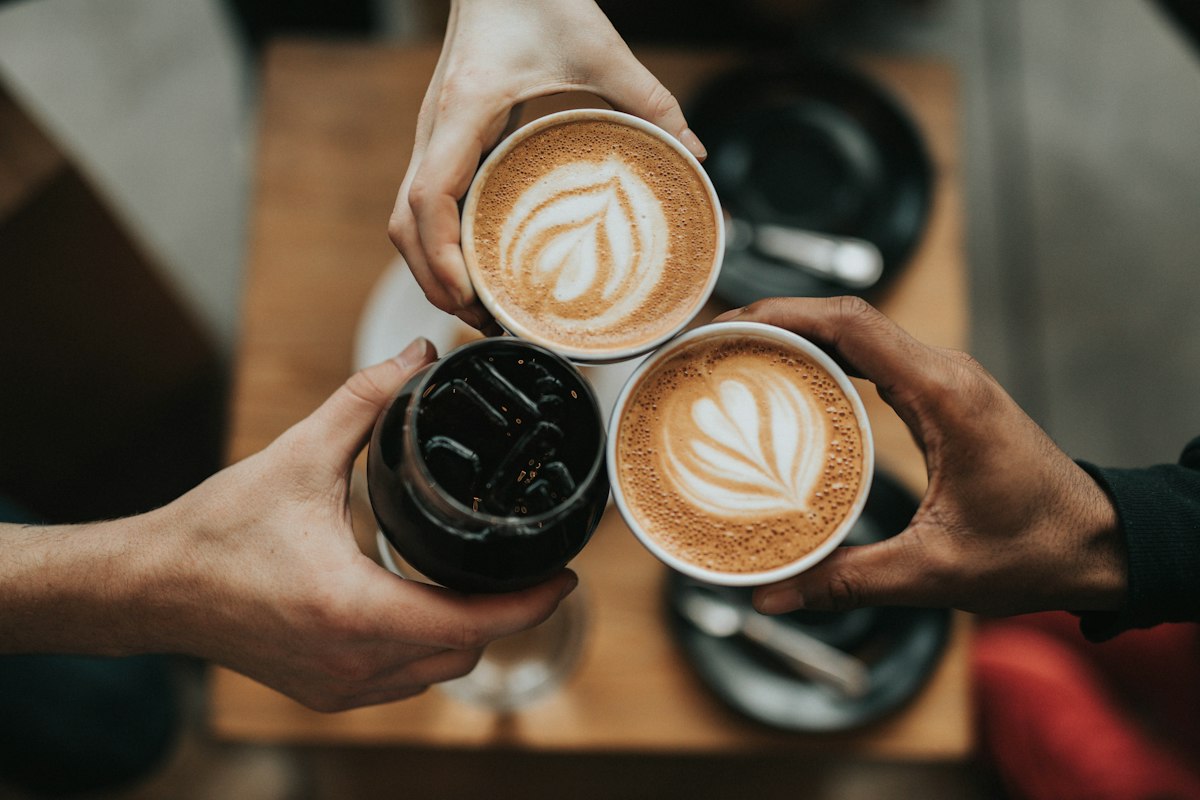
Coffee is one of the world's most beloved beverages, yet many of us drink it daily without truly experiencing its potential. The specialty coffee movement invites us to slow down, pay attention, and discover the remarkable complexity, diversity, and craftsmanship that exceptional coffee offers.
This isn't about coffee snobbery—it's about appreciation. Just as wine enthusiasts explore terroir and varietals, specialty coffee lovers celebrate the nuanced flavors that result from careful growing, processing, roasting, and brewing. Once you taste the difference, your daily coffee ritual transforms from routine to genuine pleasure.
What Makes Coffee "Specialty"
Specialty coffee refers to beans scoring 80 points or above on a 100-point scale used by certified coffee tasters. This designation indicates exceptional quality, beginning with careful cultivation, continuing through meticulous processing, and extending to expert roasting and brewing.
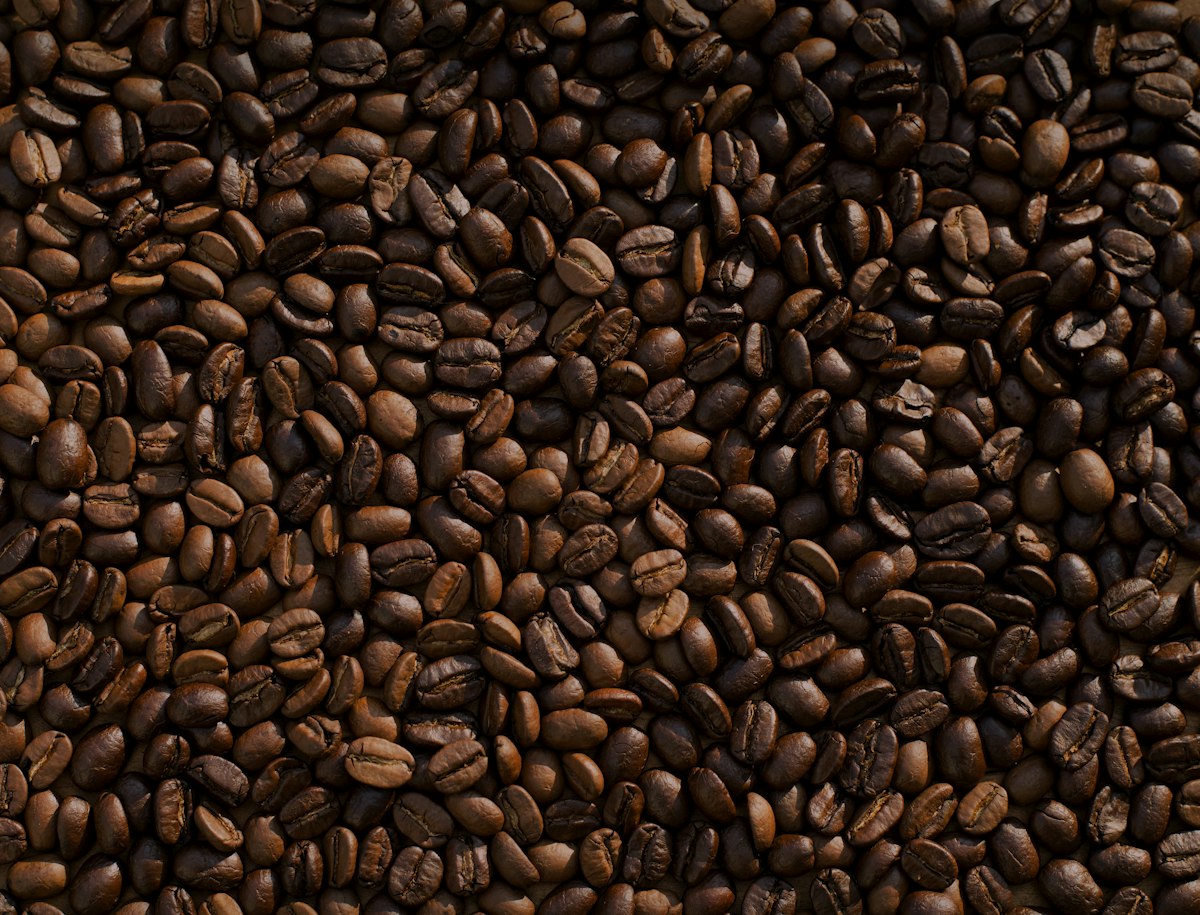
Unlike commodity coffee, which prioritizes consistency and low cost, specialty coffee celebrates distinctiveness. Single-origin beans express the characteristics of their specific growing region—altitude, soil, climate, and processing methods all influence flavor. Ethiopian beans might taste fruity and floral, while Colombian beans often present chocolate and nutty notes.
Understanding Coffee Origins
Coffee grows in the "Bean Belt" between the Tropics of Cancer and Capricorn, with different regions producing distinctive flavor profiles. African coffees, particularly from Ethiopia and Kenya, tend toward bright acidity and fruit-forward flavors. Central and South American beans often feature balanced profiles with chocolate and caramel notes. Asian coffees from Indonesia and Vietnam typically offer earthy, full-bodied characteristics.
Learning to recognize these regional characteristics helps you discover your preferences and explore new flavors intentionally. Start with single-origin coffees from different regions to understand these distinctions before exploring blends.
The Importance of Freshness
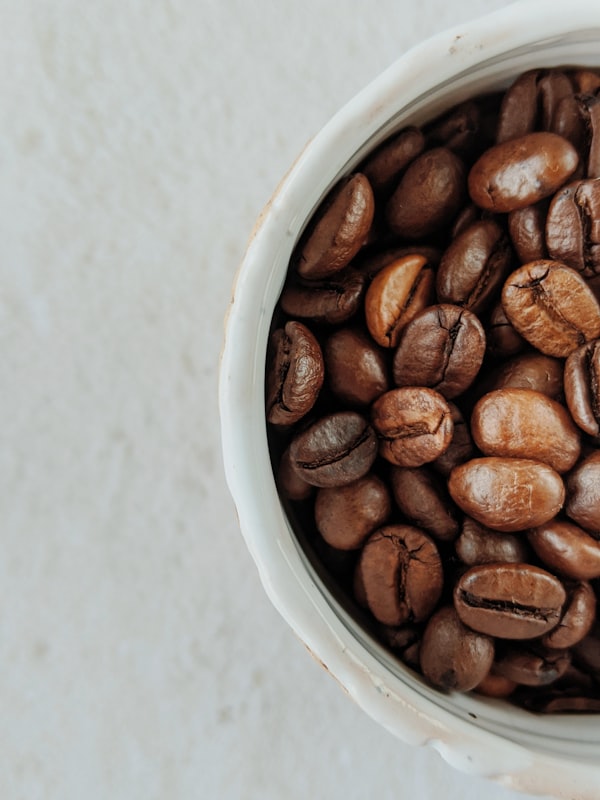
Coffee's flavor degrades rapidly after roasting, with peak freshness occurring between 7-21 days post-roast. Once ground, coffee begins losing flavor within minutes as volatile aromatic compounds escape. This is why serious coffee enthusiasts insist on buying whole beans recently roasted and grinding immediately before brewing.
Look for roasters who display roast dates (not just "best by" dates) and purchase only what you'll consume within two weeks. Store beans in an airtight container away from light, heat, and moisture—not in the refrigerator or freezer, which introduces condensation and odors.
Brewing Methods Explored
Different brewing methods extract coffee's flavors in unique ways, each offering distinct advantages and experiences. Pour-over methods like V60 or Chemex produce clean, nuanced cups highlighting subtle flavors. French press creates full-bodied coffee with pronounced texture. Espresso delivers concentrated intensity. Cold brew offers smooth, sweet profiles with low acidity.
For beginners, pour-over brewing offers an excellent entry point—it's forgiving, requires minimal equipment, and produces excellent results while teaching you to pay attention to variables like grind size, water temperature, and brewing time.
The Variables That Matter
Great coffee requires attention to several key variables. Water quality profoundly impacts flavor—use filtered water to avoid chlorine and mineral imbalances. Water temperature should be 195-205°F (90-96°C); too hot extracts bitter compounds, too cool results in weak, sour coffee.
Grind size must match your brewing method—coarse for French press, medium for pour-over, fine for espresso. Coffee-to-water ratio affects strength; a standard starting point is 1:16 (1 gram coffee to 16 grams water), adjustable to taste. Brewing time depends on method but following recipes initially helps you learn.
Recommended Coffee Equipment for Beginners
Quality equipment makes learning specialty coffee accessible and enjoyable. These essentials offer excellent value and performance:
Baratza Encore Grinder
Consistent burr grinder offering 40 grind settings, durable construction, and exceptional value for home coffee brewing.
Learn More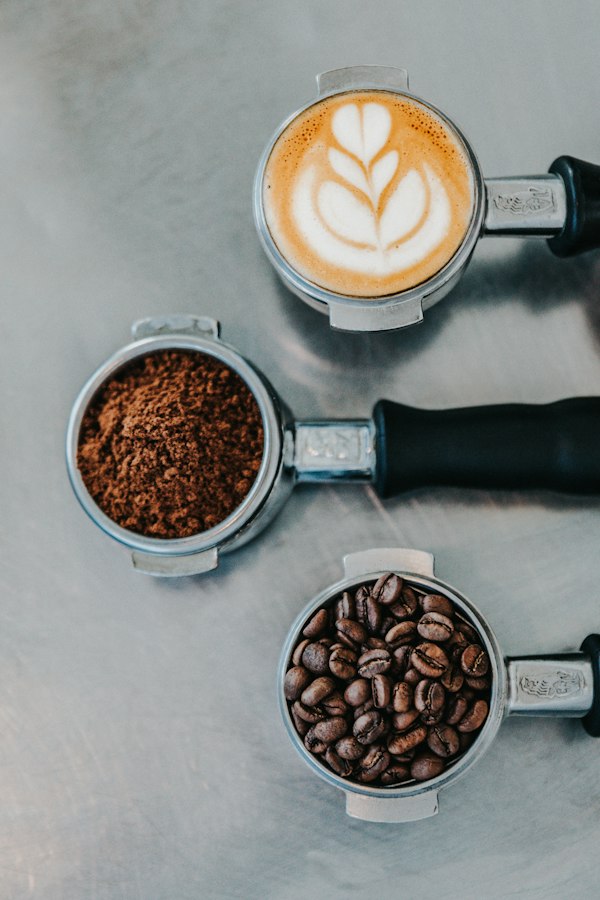
Hario V60 Dripper
Iconic pour-over brewer with spiral ribs and large opening, allowing control over extraction and highlighting coffee nuances.
Learn More
Fellow Stagg Kettle
Precision pour-over kettle with ergonomic handle, temperature control, and beautiful design for perfect water flow.
Learn MoreDeveloping Your Palate
Learning to taste coffee takes practice and mindfulness. Before drinking, inhale the aroma—what do you smell? When tasting, let the coffee coat your entire palate. Notice acidity (brightness, liveliness), body (weight, texture), sweetness, and flavors. Is it fruity? Nutty? Chocolatey? Floral?
Keep a simple tasting journal noting origin, roaster, brewing method, and your impressions. Over time, you'll recognize patterns in your preferences and expand your flavor vocabulary. Taste coffee at different temperatures—flavors evolve as coffee cools, revealing complexity.
Supporting Sustainable Coffee
The specialty coffee movement increasingly emphasizes sustainability and ethical sourcing. Look for certifications like Fair Trade, Rainforest Alliance, or Organic, though many excellent micro-roasters maintain direct relationships with farmers that ensure fair compensation without formal certification.
Direct trade relationships benefit everyone: farmers receive fair prices enabling quality investment, roasters secure exceptional beans and build partnerships, and consumers enjoy better coffee while supporting sustainable livelihoods. Ask roasters about their sourcing practices—transparency indicates integrity.
Making Coffee a Ritual
Perhaps specialty coffee's greatest gift is transforming a daily habit into a mindful ritual. The morning routine of grinding beans, hearing water, carefully pouring, and waiting for that first sip becomes a moment of presence and pleasure before the day's demands begin.
This isn't about perfection or spending hours on one cup. It's about bringing attention and appreciation to something you already do daily. Whether you have five minutes or fifteen, specialty coffee invites you to pause, engage your senses, and start your day with intention.
As you explore specialty coffee, remember that taste is personal. Trust your palate, experiment with different origins and roasters, ask questions, and most importantly, enjoy the journey. The world of exceptional coffee is vast, welcoming, and endlessly rewarding for those curious enough to explore it.