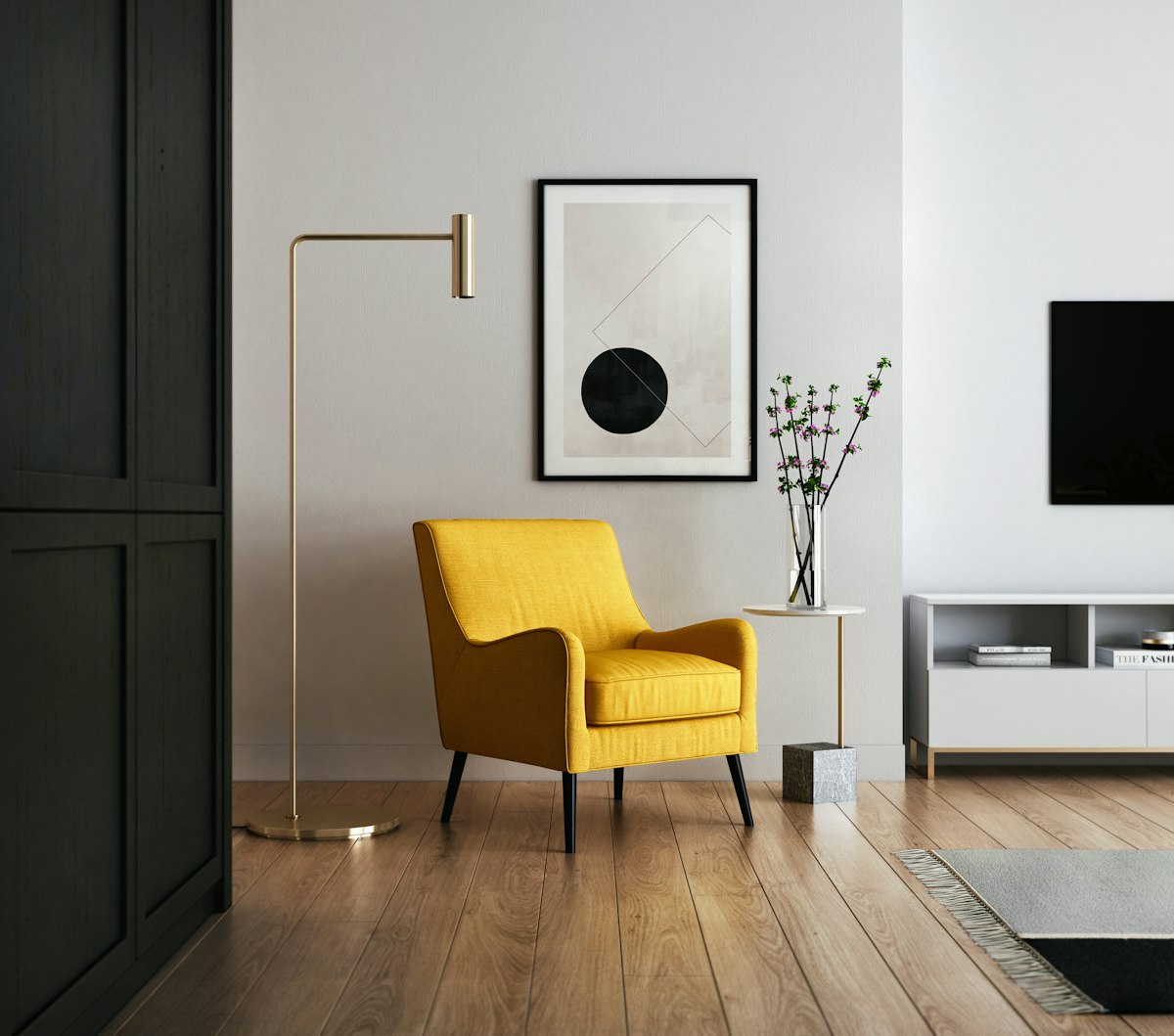
The minimalist home isn't about stark emptiness or sacrificing comfort—it's about creating space for what truly matters. By carefully selecting functional, beautiful essentials, you can transform your living environment into a sanctuary of calm, clarity, and intentionality.
In our consumer-driven culture, homes often accumulate possessions that clutter both space and mind. The minimalist approach invites us to question each item's purpose and value, keeping only what serves us functionally or brings genuine joy. The result is a home that breathes, a space where you can think clearly and live fully.
The Philosophy Behind Minimalist Living
Minimalism in home design goes beyond aesthetics—it's a philosophy that prioritizes quality over quantity, function over decoration, and intentionality over impulse. Every item in a minimalist home earns its place through usefulness, beauty, or meaningful connection.
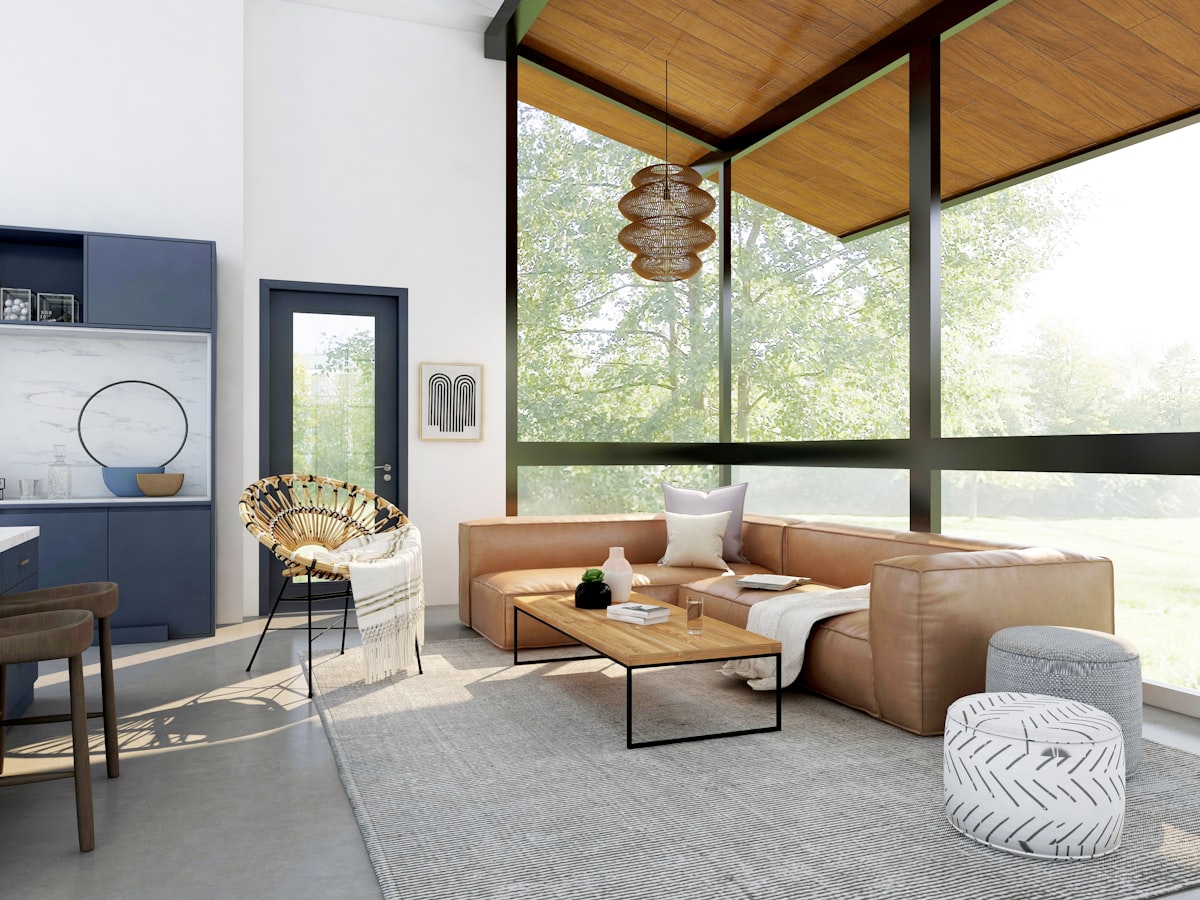
This approach doesn't mean living without comfort or personality. Instead, it means surrounding yourself with carefully chosen pieces that reflect your authentic style and support your daily life. A well-designed minimalist space feels spacious, peaceful, and distinctly yours.
Essential Furniture Pieces
Building a minimalist home starts with thoughtful furniture selection. Each piece should serve multiple purposes when possible and align with your actual lifestyle needs. A quality sofa in a neutral tone serves as both seating and lounging space. A solid dining table doubles as a workspace. Storage solutions hide necessary items while maintaining visual calm.
Invest in fewer, higher-quality pieces rather than filling rooms with mediocre furniture. A beautifully crafted wooden table will serve you for decades, developing character with age. A well-made bed frame supports restful sleep and anchors your bedroom. These foundational pieces form the skeleton of your minimalist home.
The Power of Negative Space
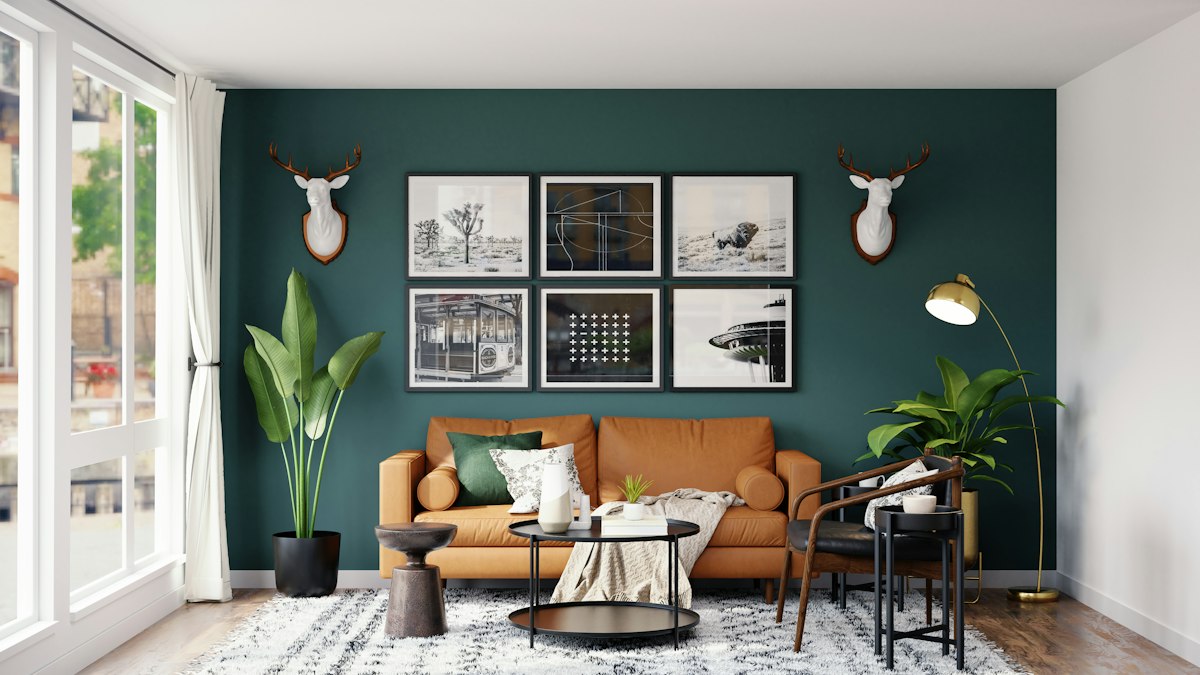
One of minimalism's most transformative elements is negative space—the deliberate emptiness that allows your home to breathe. Empty walls, clear surfaces, and open floor space aren't wasteful; they're essential to creating visual calm and mental clarity.
Resist the urge to fill every corner. That empty wall doesn't need artwork. That shelf doesn't need decorative objects. Sometimes, the most beautiful statement is absence, allowing light, architecture, and a few carefully chosen elements to shine.
Functional Beauty in Daily Objects
Minimalist homes celebrate the beauty of everyday objects designed with both form and function in mind. A simple ceramic bowl, a well-crafted wooden spoon, linen napkins in natural tones—these utilitarian items become aesthetic elements when chosen with care.
Look for items that serve their purpose excellently while maintaining clean lines and timeless design. Japanese and Scandinavian design traditions excel at this balance, offering products that are simultaneously practical and beautiful. When your daily tools are thoughtfully designed, routine tasks become more pleasurable.
Recommended Minimalist Home Essentials
These carefully selected products embody minimalist principles while delivering exceptional functionality:
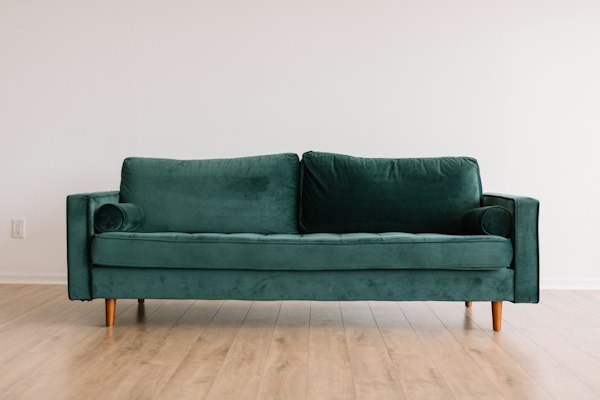
Modern Modular Sofa
Muji's modular sofa system offers timeless design, adaptable configuration, and premium comfort in neutral tones.
Learn More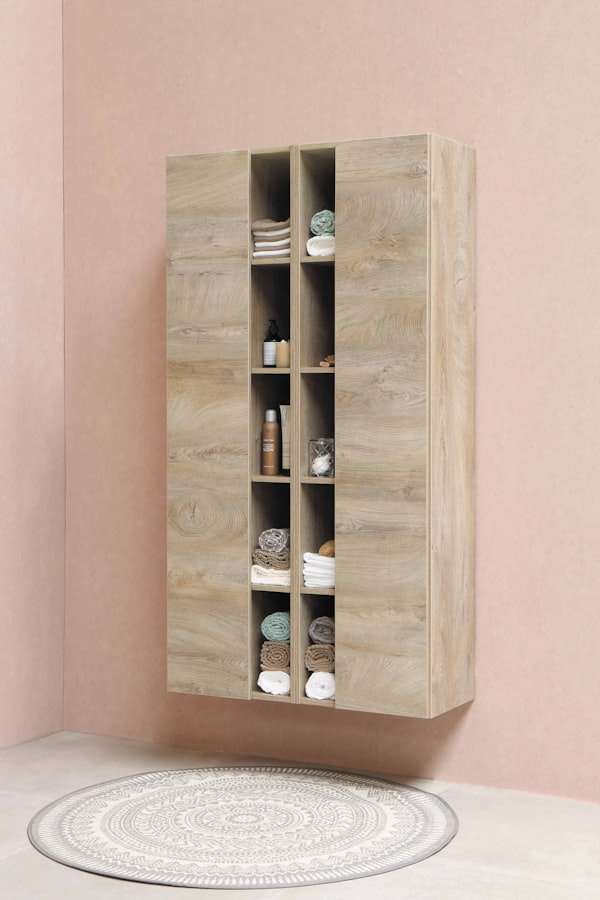
Clean Storage Systems
IKEA's EKET system provides customizable storage that maintains clean lines while organizing essentials out of sight.
Learn More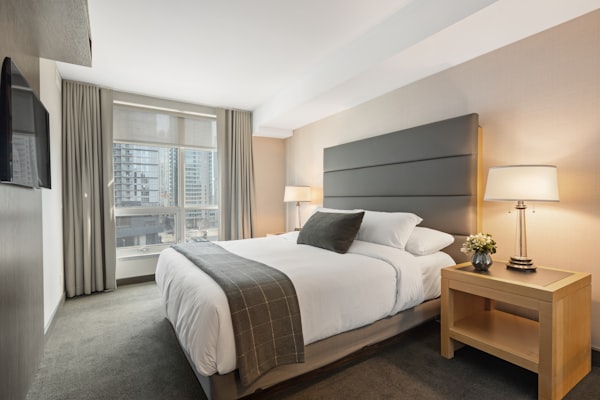
Organic Linen Bedding
Parachute's European linen bedding combines luxury, durability, and timeless style in calming neutral palettes.
Learn MoreColor Palette and Materials
Minimalist homes typically embrace neutral color palettes—whites, grays, beiges, and blacks—that create cohesion and calm. This doesn't mean sterile environments; texture and natural materials add warmth and depth. Wood tones bring organic warmth. Natural fibers like linen, cotton, and wool add tactile interest. Stone and ceramic provide earthy groundedness.
Within this neutral framework, you might introduce subtle variations and occasional accent colors. A single plant's green foliage becomes a vibrant focal point. A handmade ceramic vase in soft terracotta adds warmth without overwhelming.
Maintaining Minimalist Spaces
Creating a minimalist home is only the beginning—maintaining it requires ongoing mindfulness. Adopt a "one in, one out" policy: when something new enters your home, something old leaves. Regularly assess your possessions, releasing items that no longer serve you. Create systems for managing daily influx: mail, purchases, gifts.
The goal isn't perfection but consciousness. Each decision about what enters or stays in your home becomes an opportunity to align your environment with your values. Over time, this practice extends beyond your home, influencing how you spend time, money, and energy.
A minimalist home is never finished—it evolves with your changing needs and growing understanding of what matters most. By continually refining what you keep and how you use your space, you create an environment that supports your best life. Less truly becomes more: more space, more peace, more freedom, more joy.